
SPEC
How might we create a new training product with which users can achieve their fitness goals
My Role
Skills
Led concept development and experience design, translating cultural insights into an interactive installation that encouraged participation and collective storytelling.
Concept Design, Experience Design, Cultural Research, Interviewing, Storytelling, Brand Experience, Creative Direction, Installation Design
Problem
1
Online training programs are designed to help users develop technical ability and performance. I have observed that these programs are not meeting the individual objectives.
Overview
2
The global crisis of 2020 has altered almost every aspect of our lives, affecting work, family, education, expectations, social interactions, and, most of all, moods and health.
INEGI presents the results of the Sports Practice and Physical Exercise Module released in November 2020. Showing characteristics of the practice of physical exercise in the population and the main reasons for those who do not practice it.
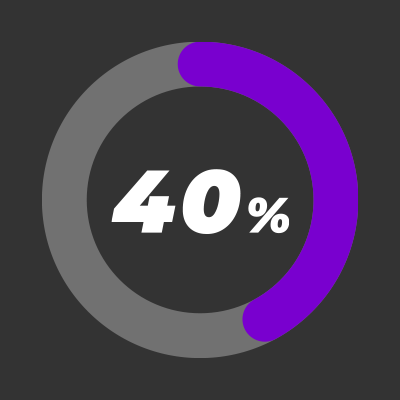
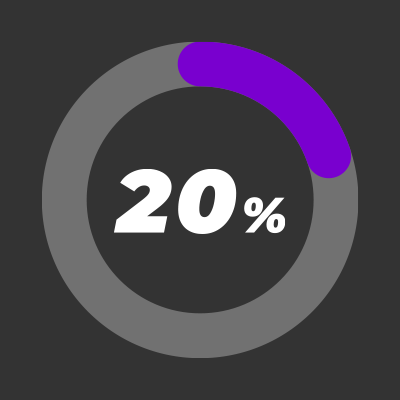
Of the population aged 18+ in Mexico is physically active.
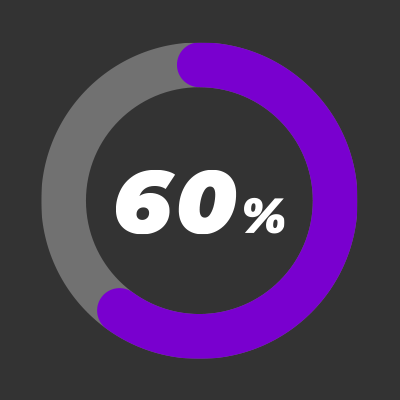
Of the people who declared themselves inactive, some have never engaged in physical sports.
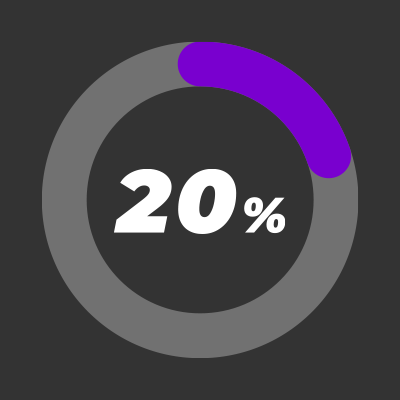
Has not exercised in the last year

However, some people seem to be doing as much or more exercise than before

Mexico 2020
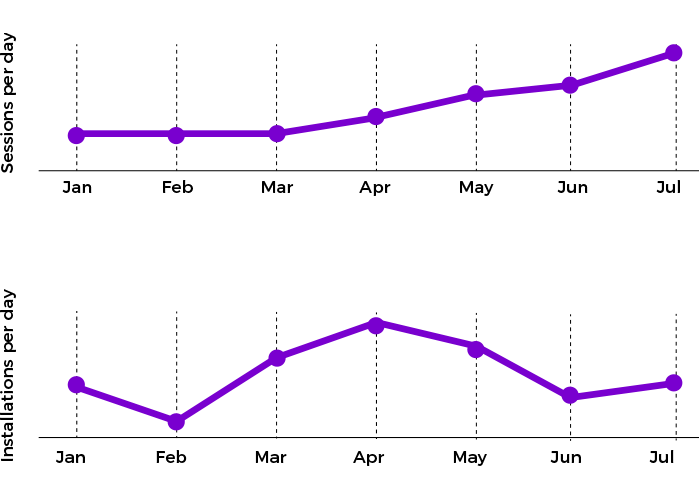
Daily installs of health and fitness apps progressively increased during March, exceeding the average install rate by 67% at the end of March and the beginning of April. However, the sessions did not grow significantly until May.
Information based on the health and fitness applications with tracking on the Adjust platform between January and July 2020. Information source.

Are concerned about your diet
Are interested in challenges
Uses apps mainly recommended by coaches


An exercise App focused on individual needs training and feeding.
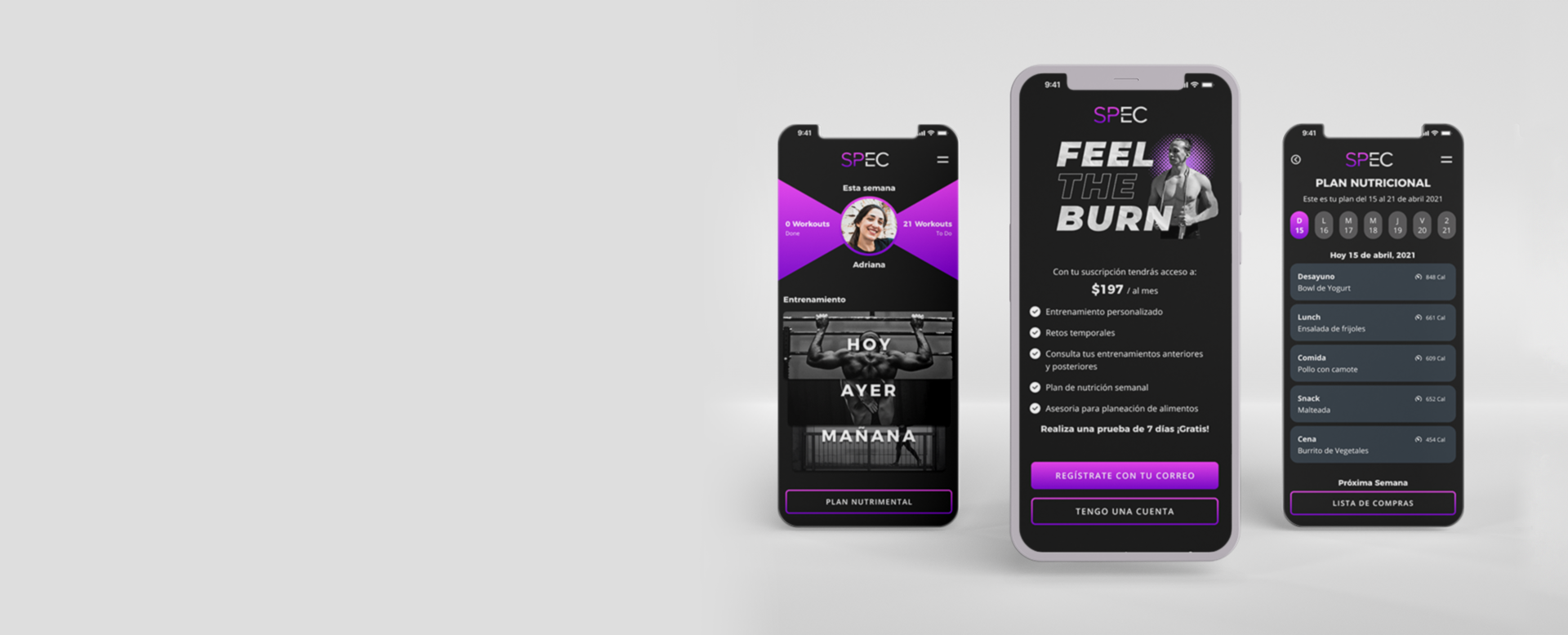
Based on research insights, I designed an experience focused on reducing friction, improving adherence, and enabling personalization across training and nutrition. The prototype guides users step by step while allowing flexibility to adapt to their needs.
Key Design Decisions
Reduced cognitive load through progressive flows
Habit-driven experience anchored in the dashboard
Flexible personalization in training and nutrition
Step-by-step guidance to minimize uncertainty
Core Features
Subscription: Progressive Onboarding
Dashboard: Habit Entry Point
The dashboard acts as the main hub of the experience.
On first use, it includes contextual onboarding, and later allows quick access to yesterday’s, today’s, and tomorrow’s workouts.
Key decision: Reinforce continuity instead of just displaying information.
The workout is structured into three phases: warm-up, main workout, and cool-down.
Each phase includes per-exercise timing and total duration.
Users can also swap exercises based on preference or context.
Insight applied: Users need structure, but also flexibility.
Settings: Control and Adaptability
The settings section allows users to manage their profile, adjust their nutrition plan, and adapt their training intensity as their needs evolve.
It also includes subscription management features such as pausing or canceling the plan, and updating payment methods.
Key decision: Provide users with ongoing control to adapt the experience over time, instead of locking them into static plans.
I designed a multi-step registration flow to reduce initial friction.
Each screen focuses on a single decision, making the process easier to complete.
Outcome: A lighter experience that improves completion rates.
Nutrition Plan: Clarity + Flexibility
The nutrition plan provides a weekly view with 5 meals per day.
Users can:
View the full week
Substitute ingredients with suggested alternatives
Automatically generate a grocery list
Key decision: Turn planning into something actionable in daily life.